ConstruckLabs / Research & product development

Investigate the mechanism.
Develop the system.

Construck is a research-led engineering and technology business. ConstruckLabs connects material development, numerical studies, proposed physical testing, field experience and digital tools—bringing the relevant work into each sector.

  1. 01 / QuestionStart with the ground, water, material or delivery problem.
  2. 02 / ModelStudy mechanisms and test sensitivity to assumptions.
  3. 03 / MeasureDefine physical tests, instrumentation and field records.
  4. 04 / RefineUse the evidence to improve the product and its application.

Research has different stages. The labels below distinguish concepts, development programmes, calculations, proposed tests and field imagery. Product illustrations are not test photographs.

Explore chamber studies ↓Explore research areas ↓Project Suite & calculators ↗

01 / Chamber research

One assembly.
Several interacting mechanisms.

Original ConstruckSlope Plus 200 drainage-layer illustration
Existing Plus 200 product illustration from Construck’s chamber research page. It shows a drainage detail, not a completed physical chamber test.

From component strength to system response

The proposed Rev 1 P200 chamber method examines a defined soil–facing–drainage–anchor assembly. Its reference geometry uses a 3 m retained sand height, 4 m width, 6 m inward bench and 70° face, with a 240-hour programme window.

The investigation connects water entry and separate outlets with pressure, facing deformation, grid response and toe behaviour. These are method parameters, not product ratings.

The reviewed method has blank physical-result fields. Its numerical benchmarks remain calculations until measured records and the test conclusion are available.

Read the chamber methodology ↗

Original charts. Their full context.

The following pages are reproduced from the numerical chamber assessment, dated 13 October 2026. Select an image to read it at full resolution. Axes, captions and qualifications are retained.

Water balance and local saturation
Numerical analysis original report page 19: Water accounts and separate outlets · calculated water budget.
Source: Numerical analysis report, page 19. Water accounts and separate outlets · calculated water budget.
Numerical analysis original report page 22: Local saturation and fixed monitoring points · calculated histories.
Source: Numerical analysis report, page 22. Local saturation and fixed monitoring points · calculated histories.
Pressure-relief paths
Numerical analysis original report page 62: Figure S3 · assumed pressure-release paths and toe checks.
Source: Numerical analysis report, page 62. Figure S3 · assumed pressure-release paths and toe checks.
Interpretation and required physical verification
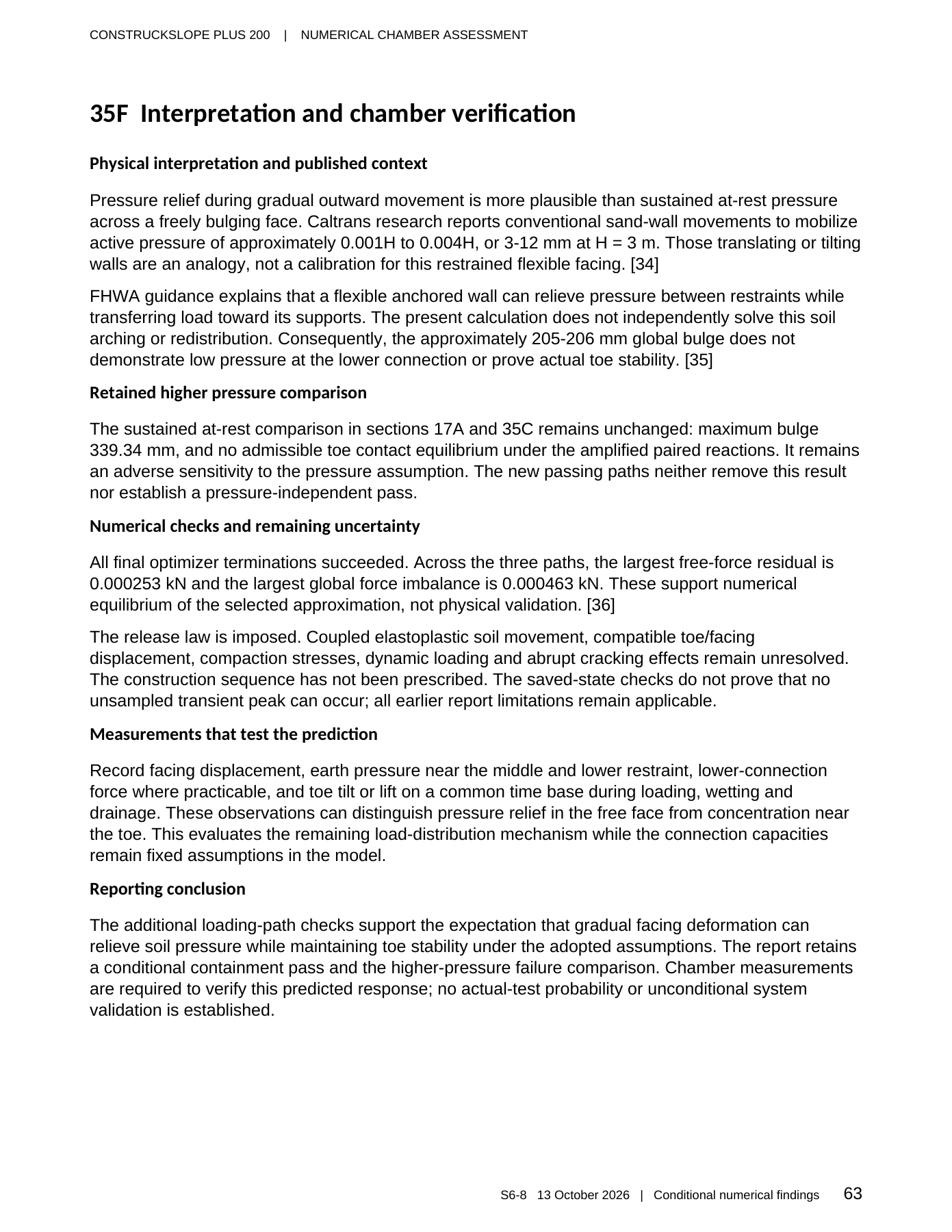
Numerical analysis original report page 63: Interpretation, unresolved mechanisms and measurements required to test the prediction.
Source: Numerical analysis report, page 63. Interpretation, unresolved mechanisms and measurements required to test the prediction.

The numerical assessment shows how the system responds under different pressure-relief conditions. The release law and load redistribution are not physically validated; these charts do not establish a completed chamber-test pass, universal stability or service life.

Plus 200 and Plus 400 use different configurations and connection details. Findings are not automatically transferable between products, geometries or loading conditions.

02 / Research across applications

Materials. Water. Ground.
Intelligence.

Explore the published ConstruckLabs directions and related product-development work. Each programme connects to its source and retains its development status.

11 research areas shown

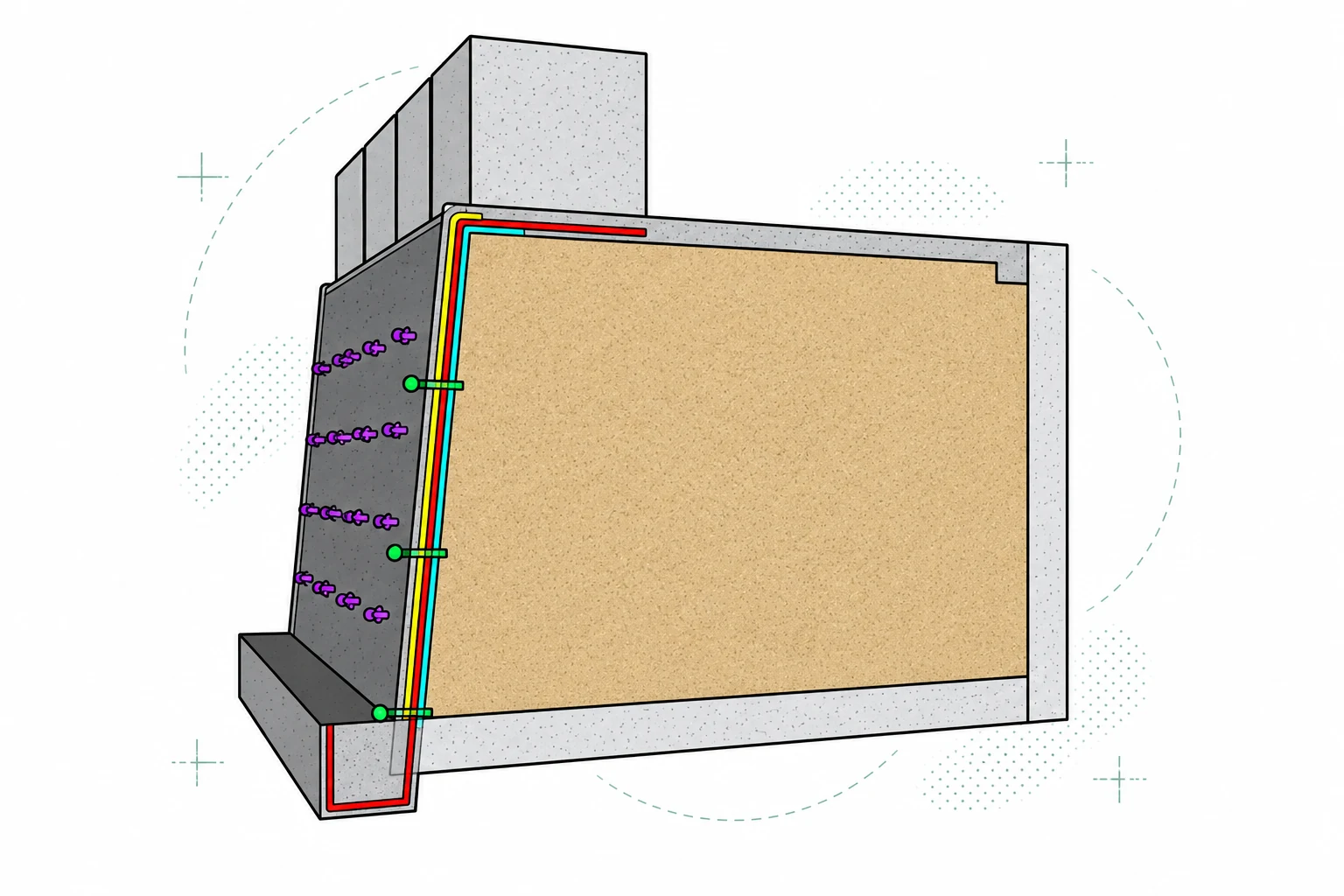
Full-scale chamber programme: Concept section · not an apparatus drawing or completed test photograph.
Concept section · not an apparatus drawing or completed test photograph.
Proposed physical method

Full-scale chamber programme

Investigating soil, water, facing, reinforcement, drainage and anchorage as one assembly. The reviewed Plus 200 method specifies a controlled loading and seepage programme with measurements still required.

Explore the source ↗
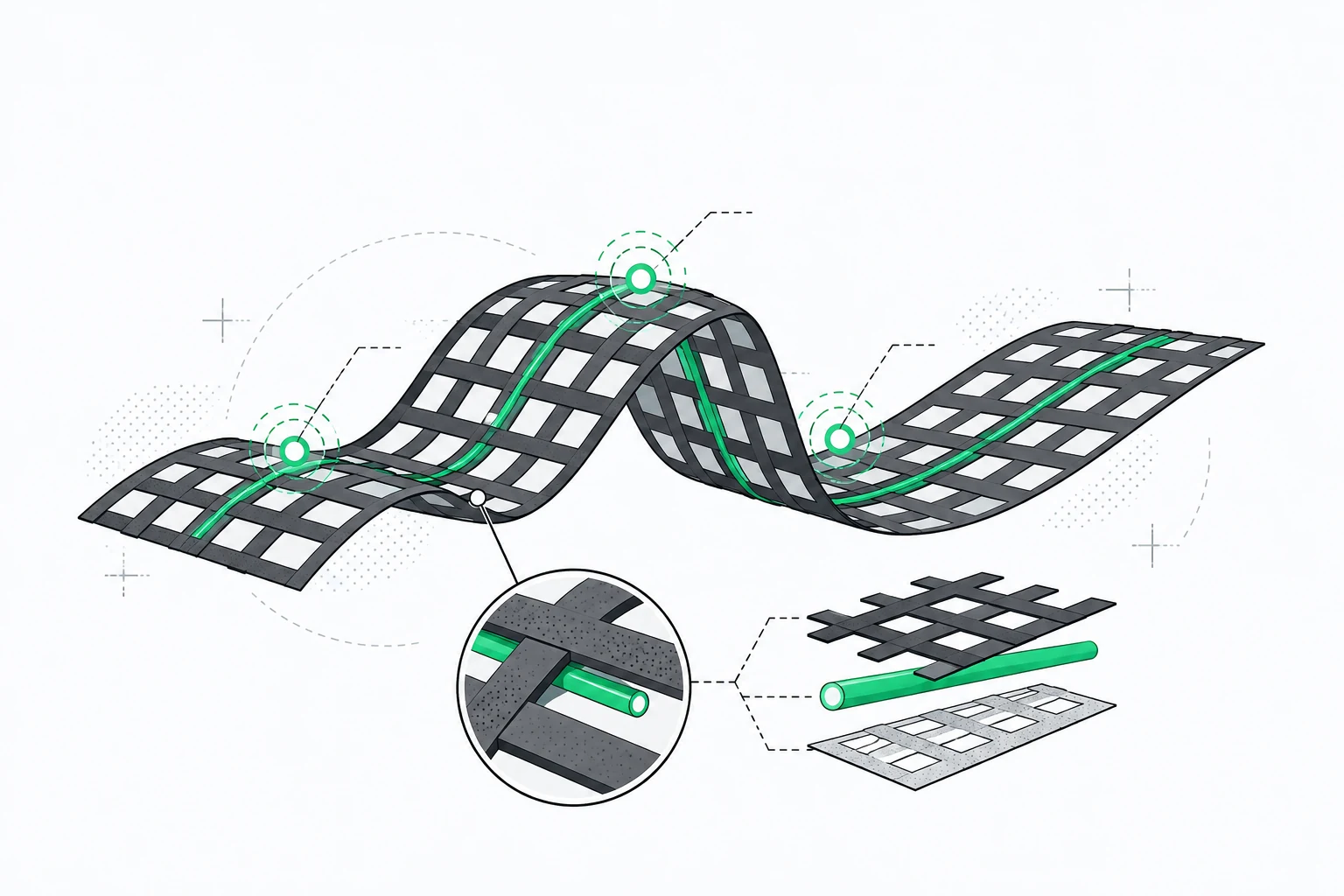
Fiber-optic geogrids: Published research concept illustration.
Published research concept illustration.
Research direction

Fiber-optic geogrids

Exploring strain sensing within reinforcement, and the calibration and interpretation needed to connect a signal with the behaviour of the material carrying load.

Explore the source ↗
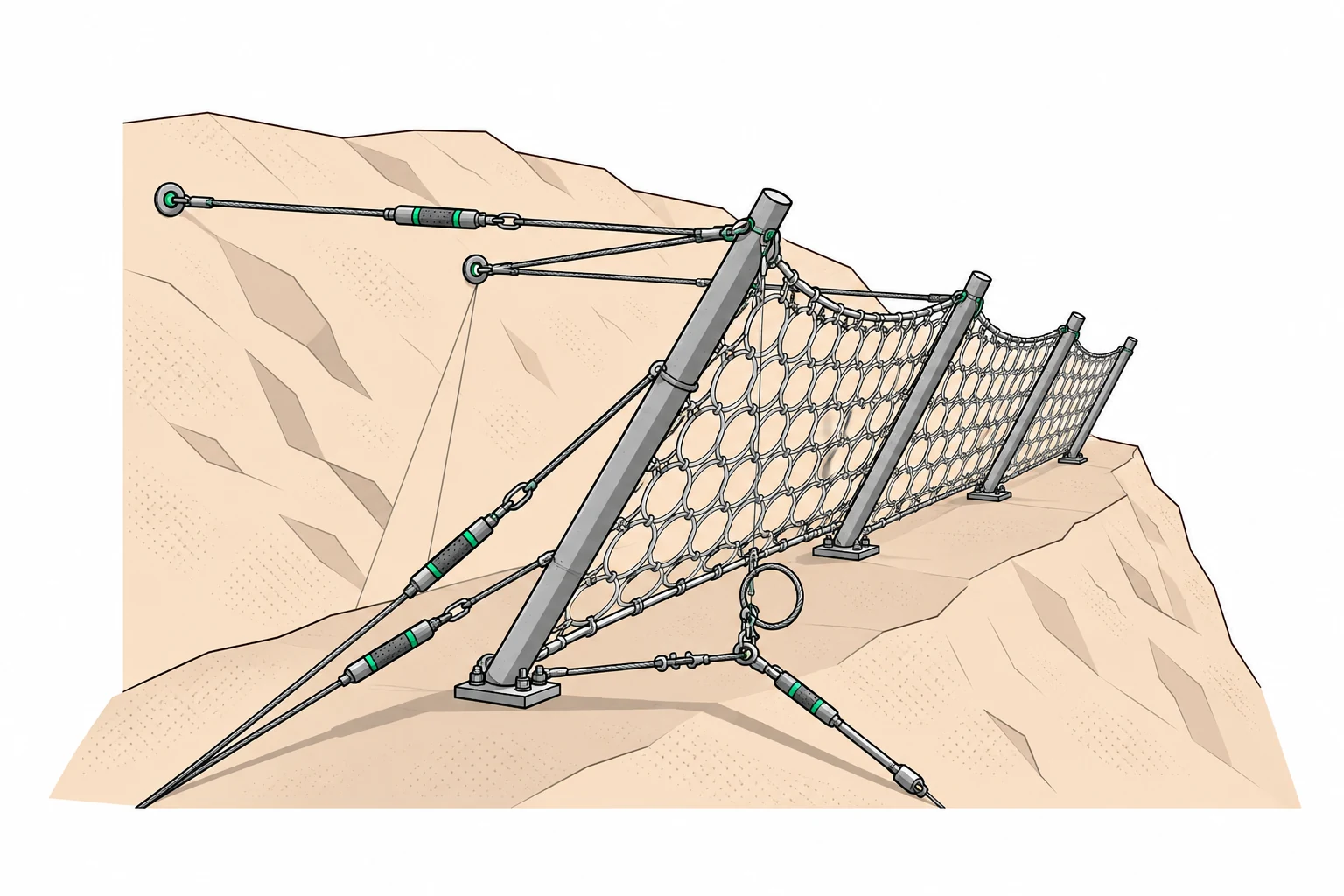
Impact and rockfall barriers: Published barrier concept · no impact-energy rating established here.
Published barrier concept · no impact-energy rating established here.
Development programme

Impact and rockfall barriers

Studying impact mechanics, energy absorption, connections and anchorage as an assembled barrier. Component development and physical testing inform the next design decision.

Explore the source ↗
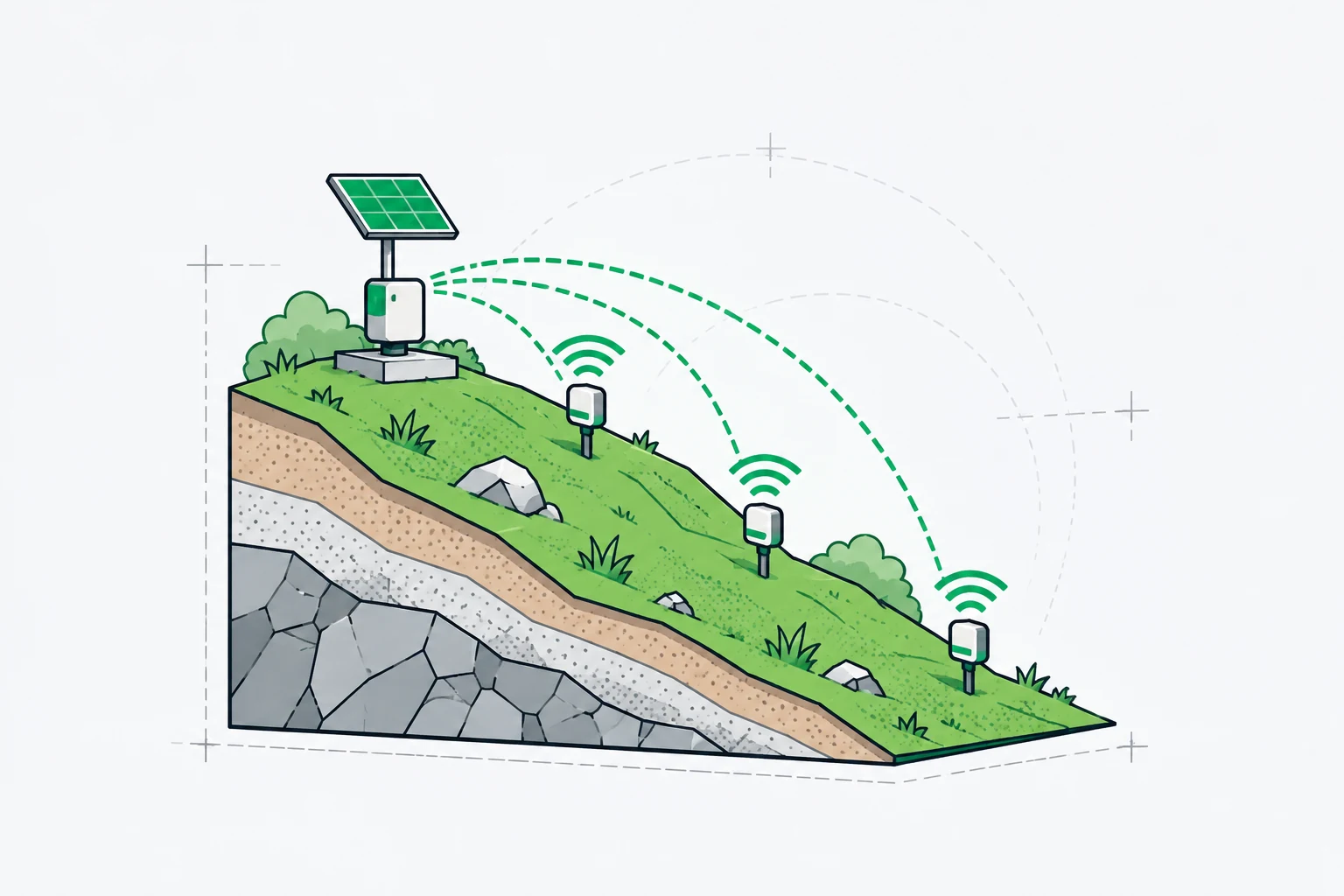
Self-monitoring slope systems: Published monitoring concept illustration.
Published monitoring concept illustration.
Development direction

Self-monitoring slope systems

Exploring integrated sensing and off-grid monitoring so changes in slope condition can be observed and interpreted alongside inspection evidence.

Explore the source ↗
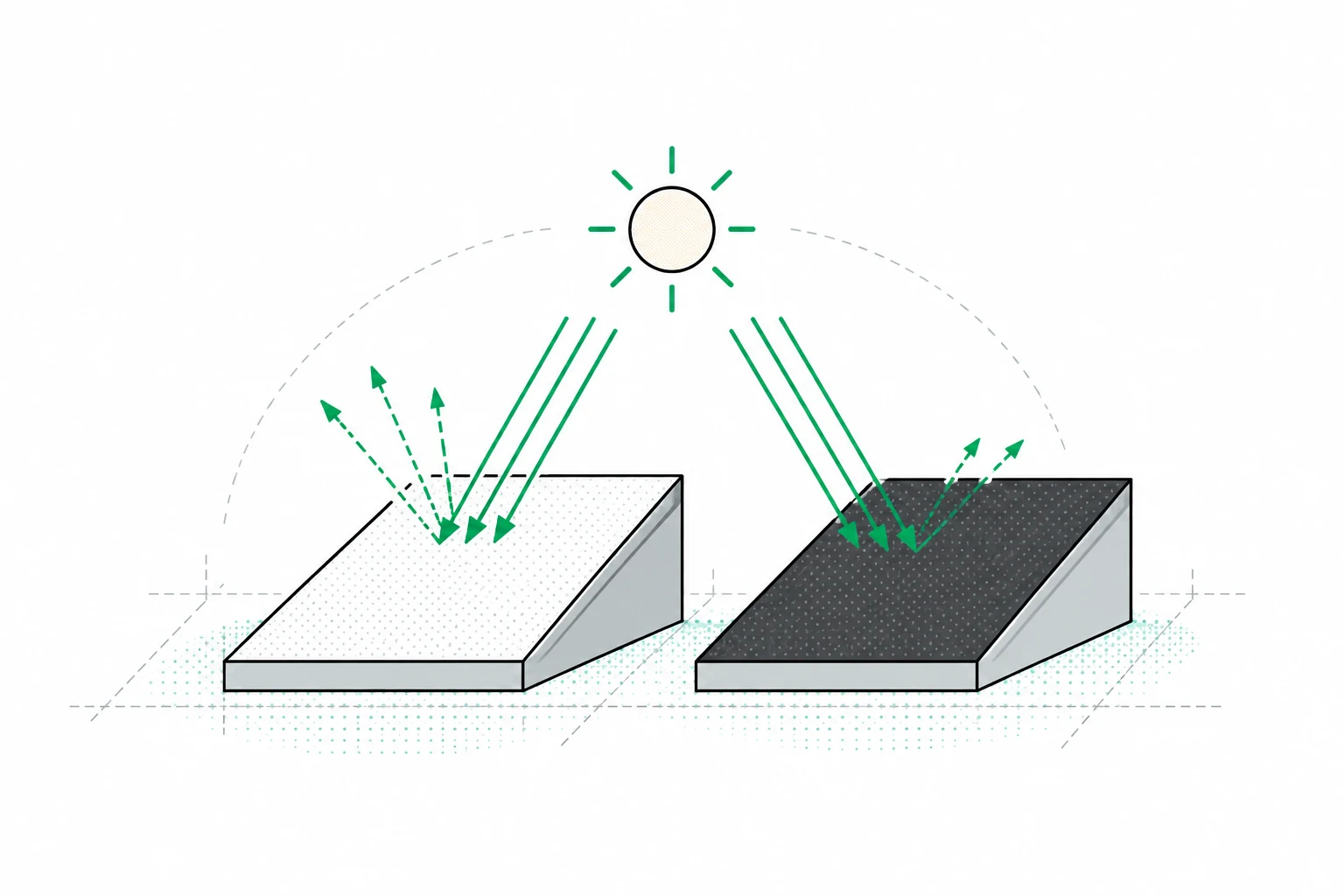
Surface reflectance and heat: Qualitative thermal concept · not measured cooling performance.
Qualitative thermal concept · not measured cooling performance.
Research direction

Surface reflectance and heat

Investigating how light-coloured surfaces affect solar reflectance, absorbed heat and local thermal behaviour. Surface-temperature effects are assessed separately from embodied carbon.

Explore the source ↗
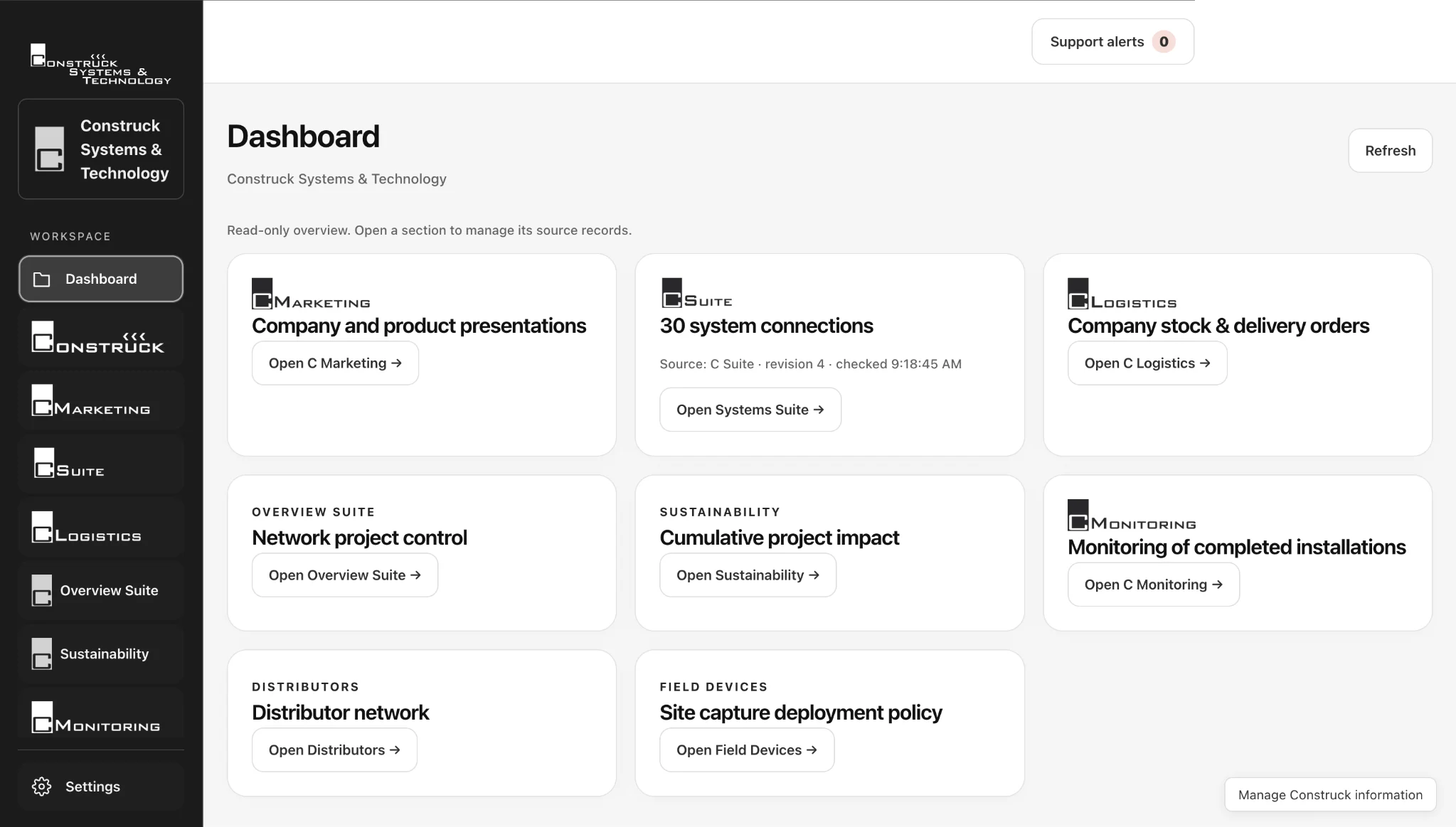
Connected engineering software: Actual Master Suite dashboard image already published by Construck; not a live status feed.
Actual Master Suite dashboard image already published by Construck; not a live status feed.
Software development

Connected engineering software

Project Suite and calculators connect technical knowledge with product selection, authorized project records and delivery. Monitoring and research evidence can inform engineering workflows within their defined scope.

Explore the source ↗
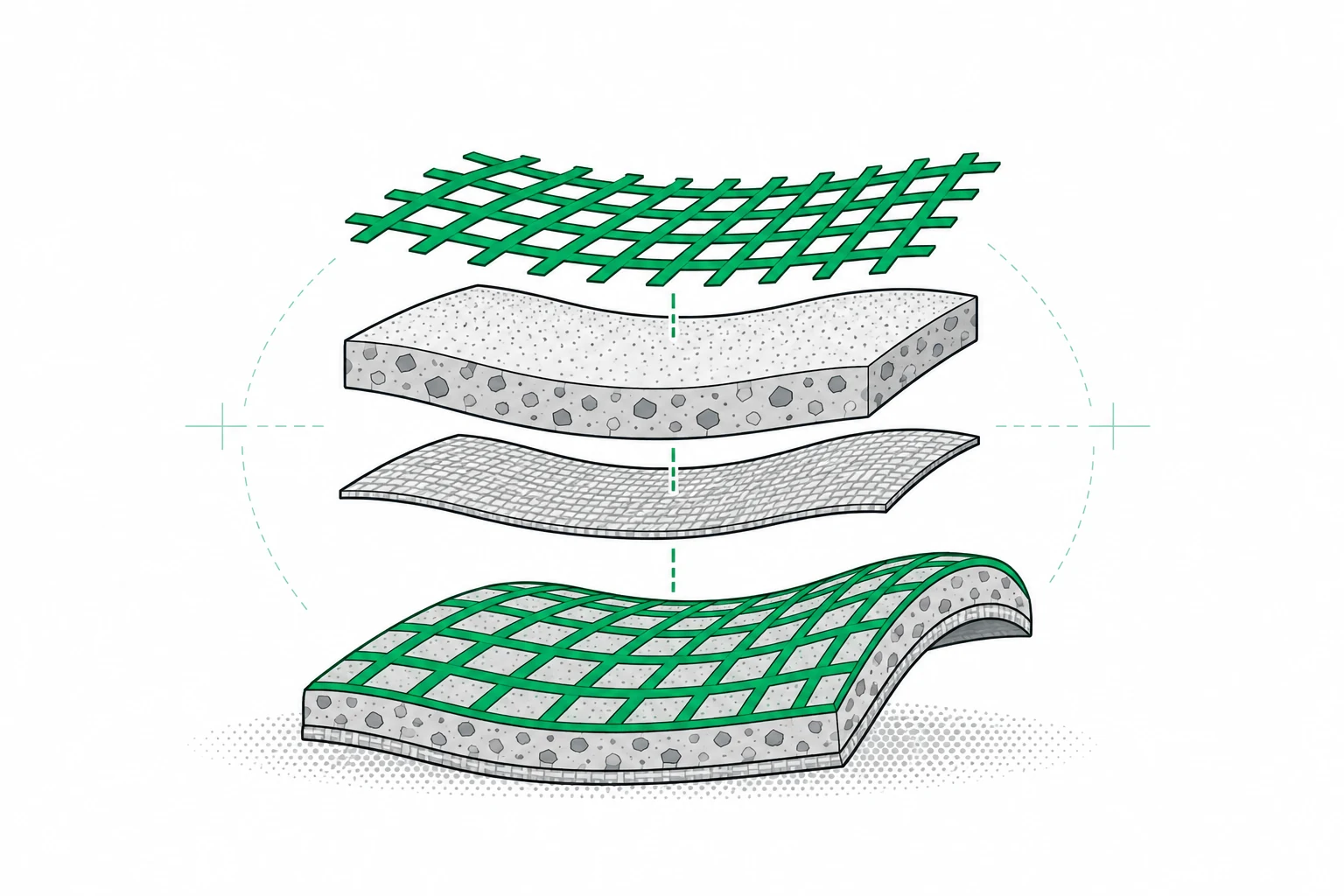
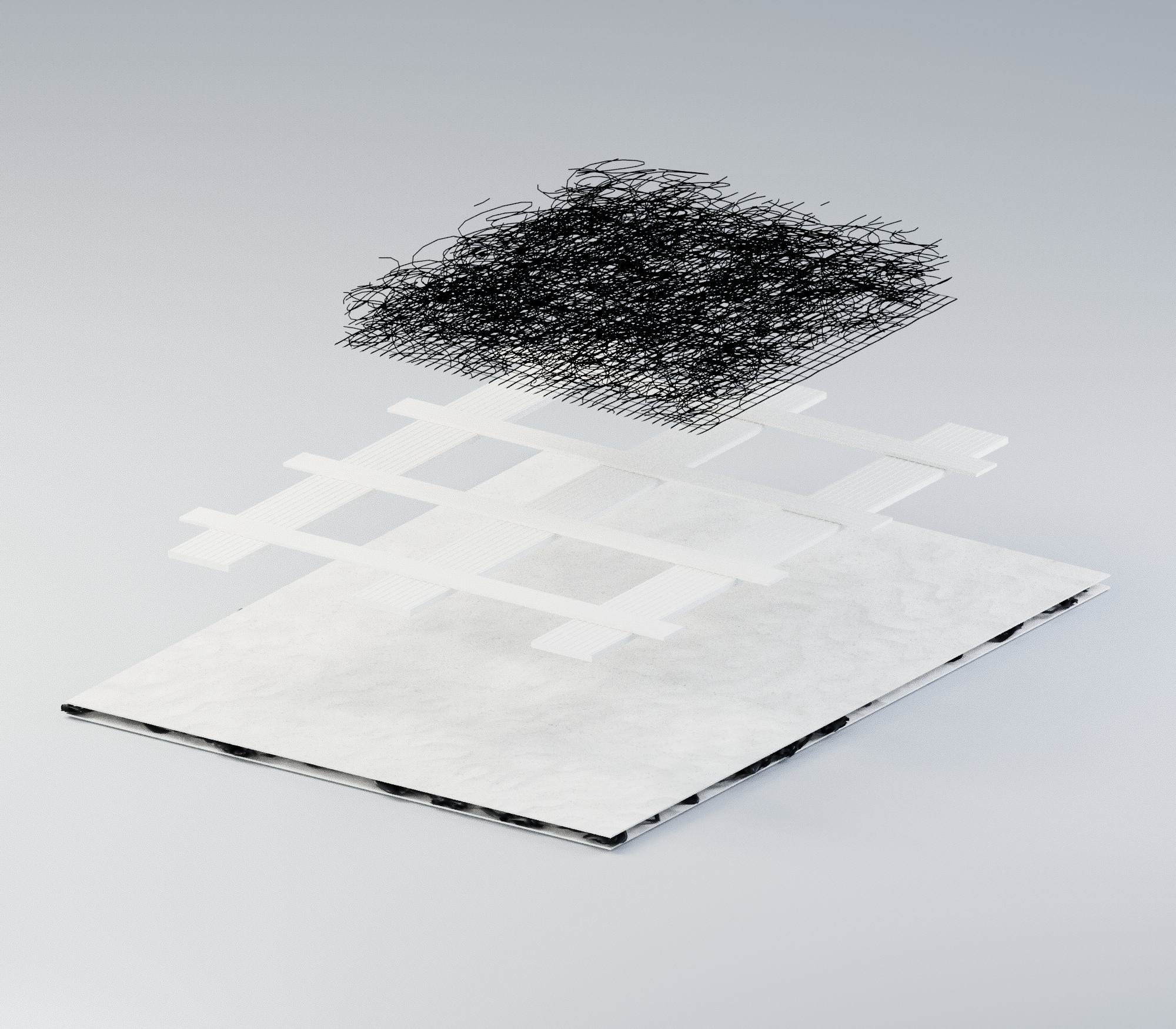
Beyond conventional GCCMs: Published material-layer concept illustration.
Published material-layer concept illustration.
Research direction

Beyond conventional GCCMs

Developing broader functions for geosynthetic cementitious composite mats, with material selection, layer interfaces and practical application requirements guiding validation.

Explore the source ↗
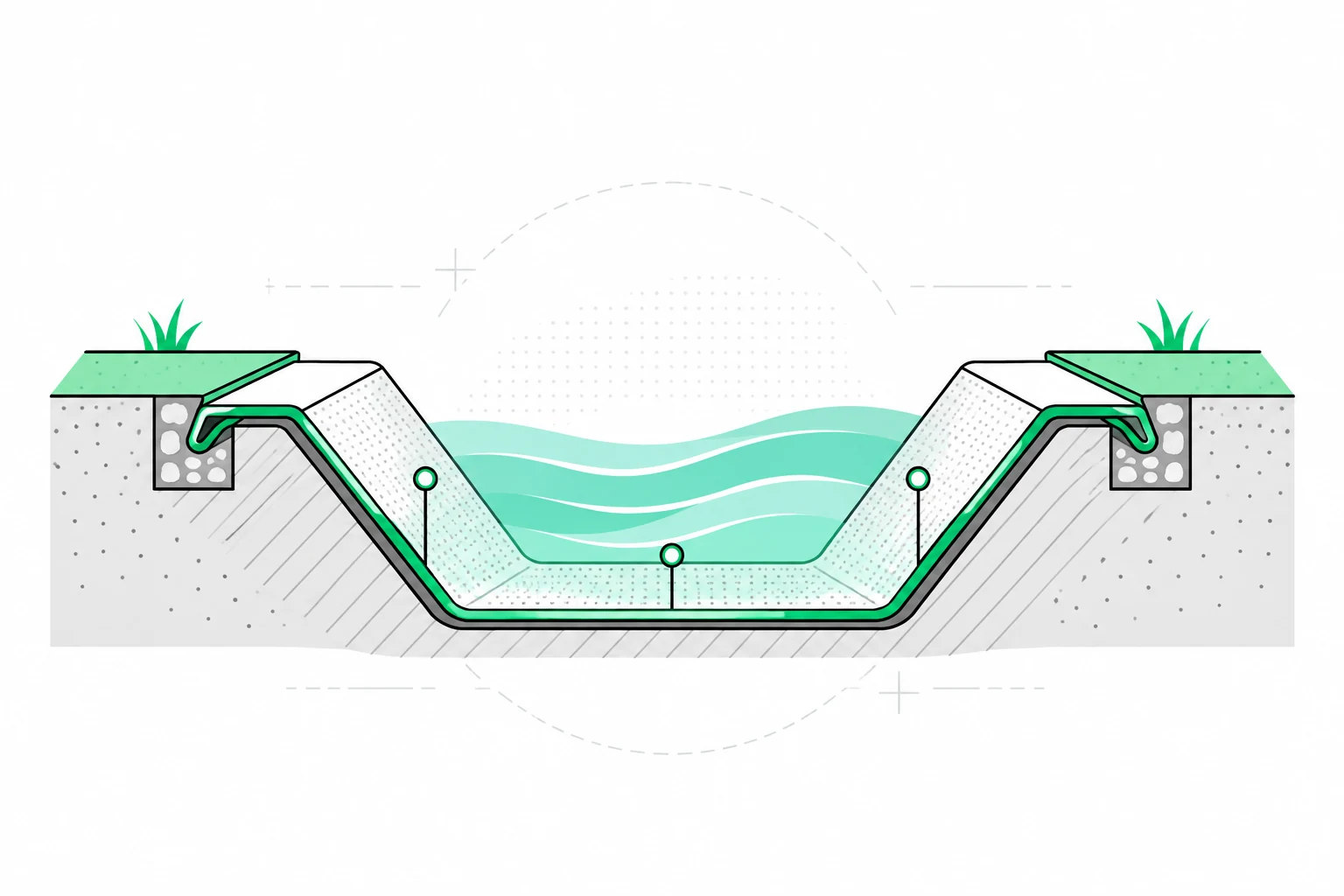
High-flow hydraulic materials: Published channel concept · no verified flow rating implied.
Published channel concept · no verified flow rating implied.
Research planning

High-flow hydraulic materials

Investigating specialist GCCMs for demanding flow and impact conditions. Integrated monitoring is a development objective; each hydraulic application needs its own test conditions.

Explore the source ↗
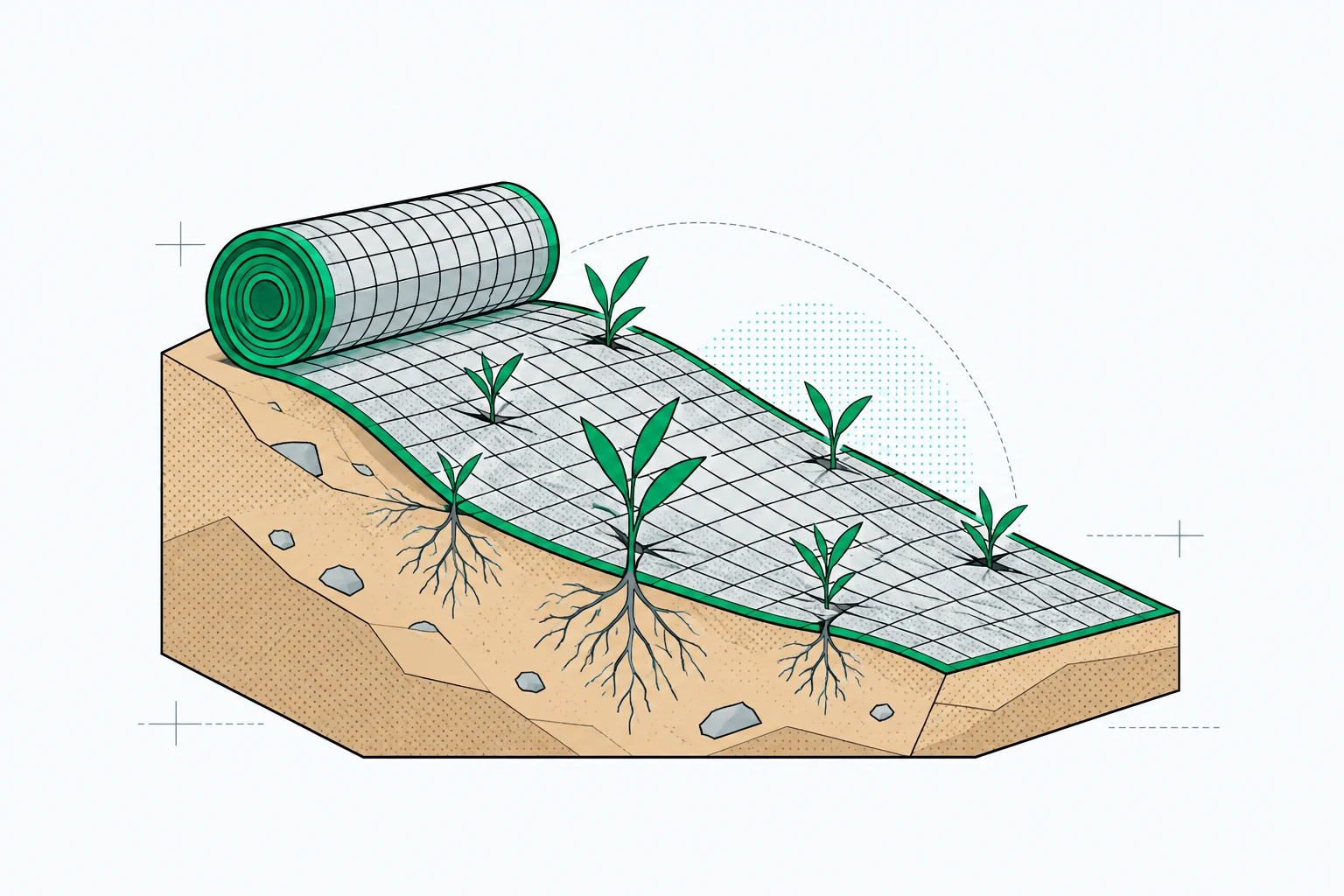
Vegetation in arid conditions: Published vegetation-support concept illustration.
Published vegetation-support concept illustration.
Product development

Vegetation in arid conditions

Developing a vegetation-supporting geosynthetic mat for arid regions, connecting plant establishment and material integration with future slope-protection systems.

Explore the source ↗
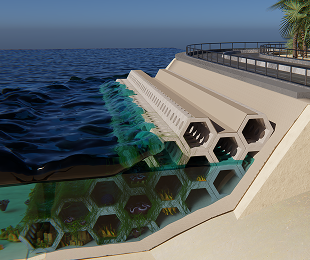
ConstruckWave and coastal systems: Existing ConstruckWave product illustration · not a wave-test result.
Existing ConstruckWave product illustration · not a wave-test result.
Product-development portfolio

ConstruckWave and coastal systems

Coastal concepts bring modular geometry, water movement and habitat objectives together. Wave response, structural stability, scour and ecological outcomes require configuration-specific verification.

Explore the source ↗
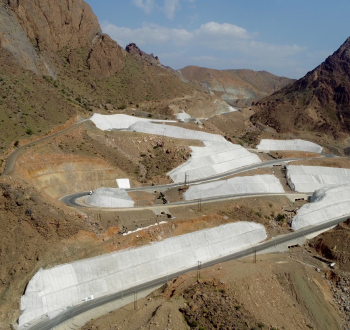
Learning from real installations: Published Al Khad Sham, Sohar case-study photograph. Original proportions retained.
Published Al Khad Sham, Sohar case-study photograph. Original proportions retained.
Published field imagery

Learning from real installations

Site photographs document installation context, access, terrain and the assembled facing. They complement instrumented measurements and engineering review; appearance alone does not establish performance.

Explore the source ↗

03 / Research record

Trace the work to its source.

Explore our research programmes and supporting records. Research directions and proposed programmes are not certifications or completed physical results.

Engineering sectors ↗Technology ↗Products ↗

CONSTRUCKSLOPE PLUS 200 · RESEARCH VISUALISATION

A closer look at the chamber study.

View the chamber alongside a magnified facing section as the saved numerical sequence moves through wetting and drainage.

Numerical replay · 15 seconds. Wetting and post-storm drainage with a 10 kPa surcharge held in the illustrated sequence. The close-up shows the saved calculated facing shapes; bench sag is conditional, and bench motion and the initial loading ramp are illustrative. Displayed values belong to this supplied study sequence and are not physical test measurements or certification.

CONSTRUCKSLOPE PLUS 400 SMART · CONCEPT DEMONSTRATION

Explore the Smart sensing concept.

Follow the recorded fibre-optic sensing demonstration through its assembly, anchor and monitoring scenarios.

Recorded concept demonstration · 1 min 12 sec. The supplied visualisation shows fibre-optic sensing routes, anchor channels, strain and temperature displays, and illustrative monitoring scenarios. Values and alarm levels are representative; the bulge scenario is exaggerated for explanation. This is a recorded demonstration, not a live monitoring feed or measured performance evidence.